In golf, finishing tied for fifth is not the same as finishing fifth. The rule book decides.
Golf is the most outright-heavy sport in betting. With fields of a hundred and fifty players or more, even the favourite for a major rarely starts at shorter than about 5/1, and a winner at 50/1 or 100/1 is nothing unusual. That makes golf betting a different game from football or tennis. The price matters, but so do the each-way terms, the dead heat rules and the course itself. This guide explains all three and names the bookmakers that handle golf best. For ratings across every sport, see the main guide to the best betting sites.
The best golf bookmakers
| Bookmaker | Why for golf | Worth knowing |
|---|---|---|
| William Hill | Generous extra places on majors | Place terms vary week to week |
| bet365 | Covers smaller tours in depth | Check each-way terms per event |
| Betfair | Exchange prices on big names | Place markets can be thin |
| BetVictor | Competitive outright prices | Fewer golf specials |
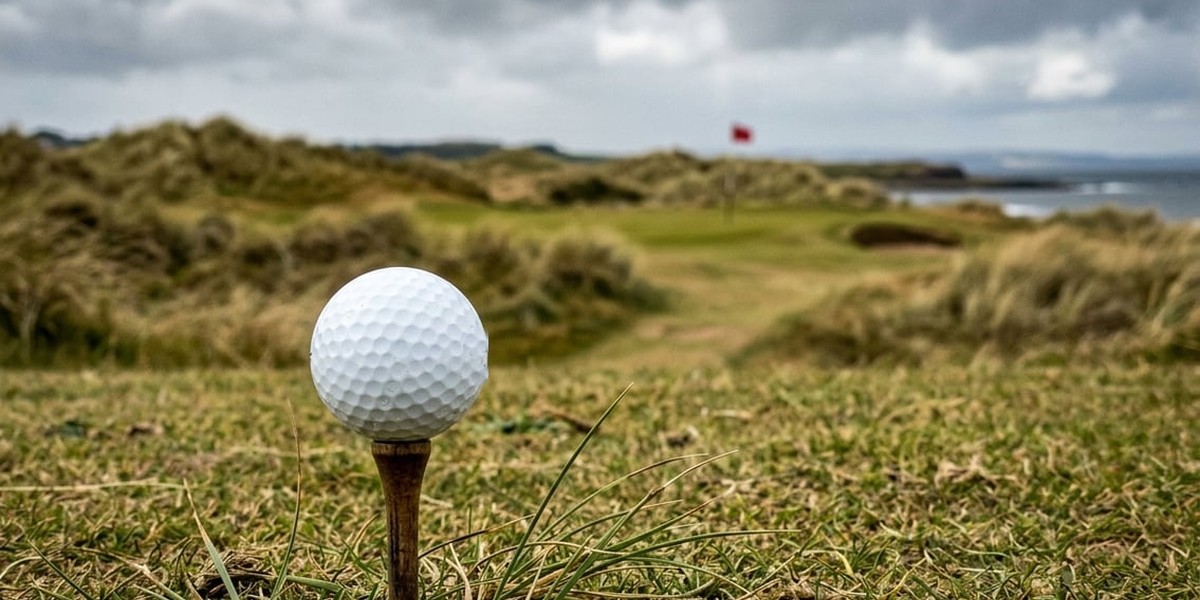
For British bettors, The Open is often the highlight of the year. Played on links courses in the UK, it rewards players who handle wind, rain and firm fairways well, and it has produced plenty of surprise winners at long odds over the years.
The golf calendar
The four men's majors anchor the golf betting year: the Masters at Augusta in April, the PGA Championship in May, the US Open in June and The Open in July. Around them are the weekly events of the PGA Tour and the DP World Tour, plus team events such as the Ryder Cup, played every two years between Europe and the United States. The women's majors and the LPGA Tour are also covered by the main bookmakers, though with fewer markets.
The majors attract the most betting and the most competitive terms. Bookmakers use them to win customers, which is why you will see extra places and enhanced prices around the biggest weeks.
Bookmakers also compete on price at the majors, so it is worth checking several before placing an outright bet. The difference between the best and worst price on a player at 50/1 can easily be 10 points or more, which is a large gap for the same selection.
Outright betting: backing a winner
The main golf bet is on who will win the tournament. With so many players, prices are long, and even the best player in the world may win only a handful of events in a year. That means patience is part of golf betting. Most outright bets lose, and the occasional big-priced winner has to make up for them.
How many players to back
Many golf bettors back several players in the same tournament, spreading their stake across a few selections. This increases the chance of a return but also the total cost. Add up the full amount you are staking before you commit, and treat it as one bet on the tournament rather than several separate ones.
Timing your outright bets
Golf outright prices are usually published early in the week, often on the Monday or Tuesday before a tournament. Prices can move as news emerges about players' fitness or practice form. Bookmakers also release their each-way terms early in the week, and the best extra-place offers are sometimes only available until the first tee time.
Each-way terms: the key to golf betting
An each-way bet is two bets of equal stake: one for your player to win and one for them to finish in the places. In golf, the place part typically pays a quarter or a fifth of the win odds, and the number of places paid varies widely between bookmakers.
From the rule book
Standard golf each-way terms are often five places at a quarter of the odds. On majors and big events, many bookmakers pay eight, ten or more places, sometimes at a fifth of the odds.
Why places matter more than price
Consider a player at 40/1. With five places paid, they must finish in the top five for the place part of your bet to pay. With ten places, a top-ten finish is enough. For a player who contends regularly without winning often, the extra places can be worth more than a slightly bigger price elsewhere. Always compare terms and price together.
Place fractions
Some bookmakers offer more places but at a smaller fraction, such as a fifth rather than a quarter. More places at a smaller fraction is usually better for long-odds players, while fewer places at a bigger fraction can suit shorter-priced contenders. There is no universal answer, so look at each case.
Place terms on smaller events
Extra places are not limited to the majors. Many bookmakers offer enhanced place terms on regular tour events too, particularly on the PGA Tour, where fields are strong. It is worth checking each week rather than assuming the standard terms apply.
Dead heat rules
Golf leaderboards are crowded, and ties for places are common. When your player finishes in a tie that straddles the last place paid, dead heat rules apply. Your stake on the place part is divided according to how many players share the position and how many places remain.
For example, if a bookmaker pays five places and your player finishes in a four-way tie for fifth, only one place remains to be shared between four players. You are paid at full place odds on a quarter of your place stake. It can come as a surprise the first time, so it is worth understanding before you bet.
Withdrawals before the start
If a player withdraws before teeing off, outright bets on them are usually void and your stake returned. Once they have hit their first shot, the bet stands even if they later withdraw. Check the specific rules at your bookmaker, as they can differ.
Other golf markets
Top finishes
Instead of an each-way bet, you can back a player to finish in the top five, top ten or top twenty. These markets pay less than outright wins but more often. Dead heat rules apply to these too.
Match bets and groups
Match bets pit two players against each other over the tournament or a single round. You pick which will score better. Three-ball betting does the same for the groups players are drawn in on the first two days. These markets are popular because they depend only on two or three players rather than the whole field.
First-round leader
You bet on who will lead after the first round. Prices are long and the result is highly unpredictable, as early tee times and changing weather can make a big difference.
Team events and the Ryder Cup
The Ryder Cup brings a different set of markets: which team will win, the correct score, top points scorers for each side and individual match bets across the fourballs, foursomes and singles. It is one of the most popular golf betting events, and prices on the overall winner are often close because home advantage counts for so much.
Some bettors keep a short list of players for each type of course, noting who has played well on links, on long parkland layouts or on tight, tree-lined tracks. Over a season, that list becomes a useful starting point for each week's outright bets, and it is easy to keep in a notebook or on your phone.
Why the course matters
Every golf course rewards different skills. Some favour long drivers, others reward accurate iron play or a strong short game. Links courses, such as those used for The Open, bring wind and firm ground into play, favouring players comfortable in those conditions. Course history, how a player has performed at the venue before, is one of the most useful pieces of information in golf betting.
Weather is another factor. A tournament where half the field plays in calm morning conditions and the other half in afternoon wind can be decided by the draw as much as by form. Checking forecasts before the tournament starts can help with first-round and outright bets.
Statistics worth checking
Modern golf coverage is full of statistics, and a few are especially useful. Strokes gained figures show where a player is gaining or losing shots compared with the field, whether off the tee, on approach, around the green or putting. Comparing these with the demands of a particular course can point towards players who suit it.
In-play golf betting
Golf in-play markets update throughout each round, and they can offer value when a player makes a slow start but has a good record of strong finishes. Prices on the leaders shorten quickly, while players further back can drift to generous odds. Streaming of golf by bookmakers is limited, because broadcast rights are held elsewhere, but live leaderboards are excellent on most major sites.
In-play golf markets can be especially lively on Sunday afternoons, when the leaders' prices move with almost every shot. It is exciting to follow, but it is also when impulsive bets are most tempting. If you plan to bet in-play, decide on your budget for the final round before it begins.
Remember that golf rounds are long. Following in-play markets across a full Sunday can mean hours of betting opportunities, which is part of the appeal and part of the risk.
Golf on the exchange
The Betfair Exchange runs busy markets on the majors and bigger tour events, and prices on well-known players are often better than the fixed-odds bookmakers. Laying is also possible, letting you bet against a player winning. On smaller events and for lesser-known players, liquidity can be thin, so fixed-odds bookmakers with generous each-way terms may be the better choice.
Laying the favourite
Because golf favourites often start at around 5/1 or longer and still lose most of the time, some exchange users lay them rather than trying to find a winner. Remember that the liability on a lay bet is the amount you pay out if the player wins, which can be large.
Betting on golf sensibly
Golf's long odds make it tempting to back too many players, and a tournament that runs from Thursday to Sunday gives plenty of time for in-play bets on top. Decide on a total budget for each tournament before it begins, including any in-play bets, and stick to it. Most weeks, most golf bets lose. The enjoyment comes from following your players over four days, not from the rare win.
If you enjoy golf betting most for the chance of a big-priced winner, keep individual stakes small and accept that long losing runs are normal. That mindset makes the good weeks feel like a bonus rather than a vindication, and the bad weeks easier to shrug off.
Questions and answers
Which bookmaker is best for golf betting?
William Hill is our top pick for generous extra places on majors, bet365 covers smaller tours in depth and Betfair often has the best prices on well-known players.
How many places do bookmakers pay on golf?
Standard terms are often five places at a quarter of the odds. On majors and big events, many bookmakers pay eight, ten or more places.
How do dead heat rules work in golf?
If your player ties for the last paying place, your place stake is divided by the number of tied players sharing the remaining places.
What is a three-ball bet?
It is a bet on which player in a group of three will score best in a particular round, usually offered for the first two days of a tournament.

Fiona Galbraith
Sports editor
Fiona covered football, golf, darts and snooker as a sports features writer in Glasgow for sixteen years, from the Old Firm to the Crucible. She has bet on all of them, usually for small stakes, and reviews bookmakers on how well they cover the whole sporting calendar.